Salt Flats & Mines
While salt is commonplace today, it used to be hard to come by and considered a delicacy, as well as a mark of wealth. Before the Industrial Revolution, salt mining was incredibly dangerous and was done largely by hand. Rapid dehydration in miners from constant contact with salt and the “salt dust” that was breathed in made life expectancy short. As such, this was the work of slaves and prisoners. The difficulty of mining made salt a rare symbol of wealth on a table. Now, however, salt is a kitchen staple. Because of the efficiency of mining, salt is much more commonplace and affordable.
Places in this Collection
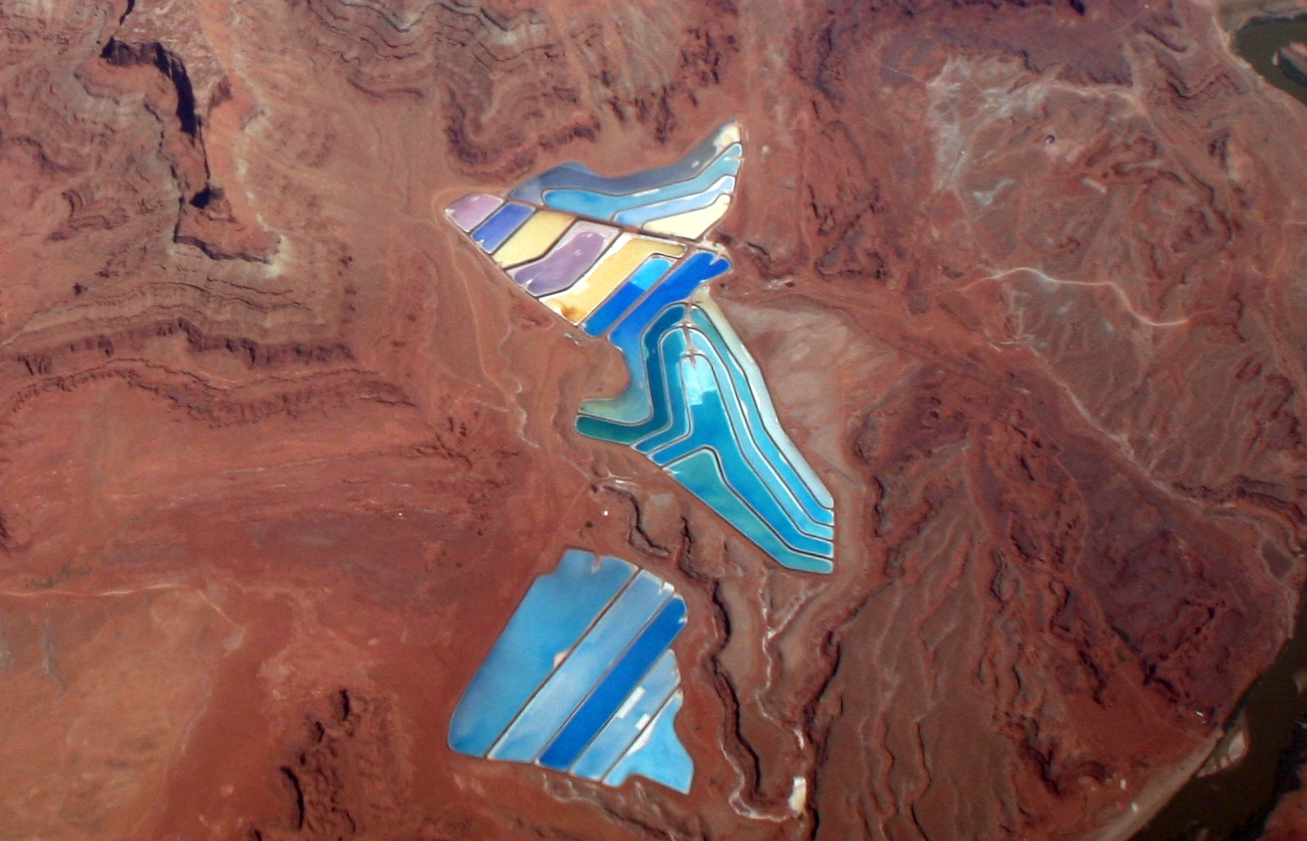
Potash Evaporation Ponds
Few things look more out of place than the electric blue ponds in the reddish-brown desert of Utah

Bochnia Salt Mine
The Bochnia Salt Mine in Bochnia, Poland, is one of the oldest salt mines in the world and is the...
Hallein Salt Mine
The Hallein Salt Mine, also known as Salzbergwerk Dürrnberg, is an underground salt mine located...

Wieliczka Salt Mine
The Wieliczka Salt Mine, in the town of Wieliczka, southern Poland, lies within the Kraków metrop...

Khewra Salt Mine
The world's second largest salt mine, said to have been discovered by Alexander the Great's horse...

Limassol Salt Lake
Limassol Salt Lake is the largest inland body of water on the island of Cyprus, in Akrotiri and D...

Groom Lake (salt flat)
Groom Lake is a dry lake, also described as a salt flat, in Nevada, and is part of the Area 51 US...


Sign in to track your progress and earn trophies